Kansanshi Operations Centre Sets the Standard for Smart Mining in Africa
Zambia’s Kansanshi Operations Center Sets the Standard for Smart and Sustainable Mining in Africa
In the global race to modernize resource extraction, Zambia’s Kansanshi Mine has emerged as a quiet powerhouse.
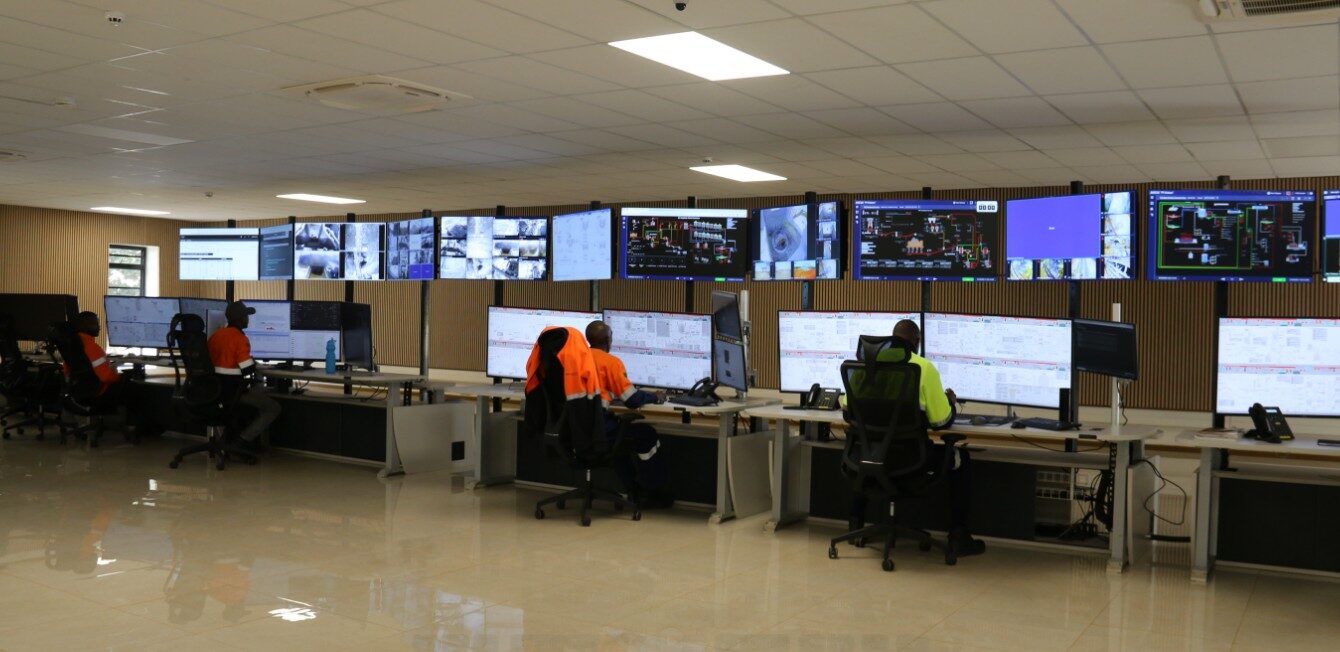
Its newly commissioned Operations Center is not just another control room—it is the digital brain of the mine, the command hub from which every part of the vast operation is monitored, connected, and optimized.
From this state-of-the-art facility, engineers and operators oversee everything: the S2 and S3 processing plants, the pits, dispatch systems, haul trucks, engineering, and maintenance.
What was once scattered across different offices and departments has been unified into a single, intelligent ecosystem. For the first time, Kansanshi functions like one synchronized machine.
From the outside, the Operations Center could easily be mistaken for a tech campus. Inside, the resemblance is even stronger.
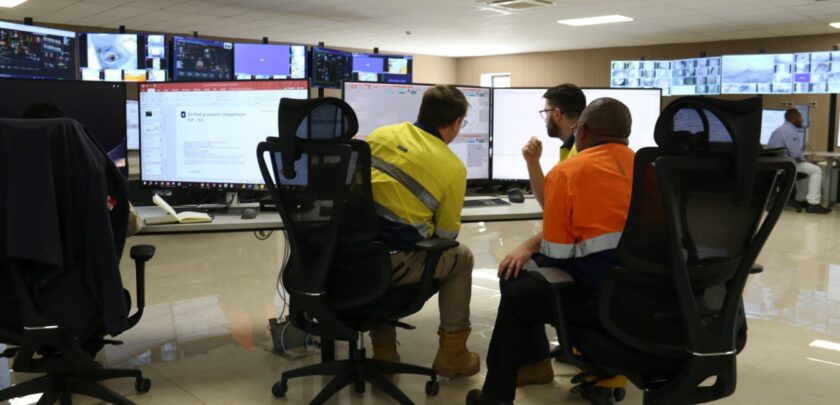
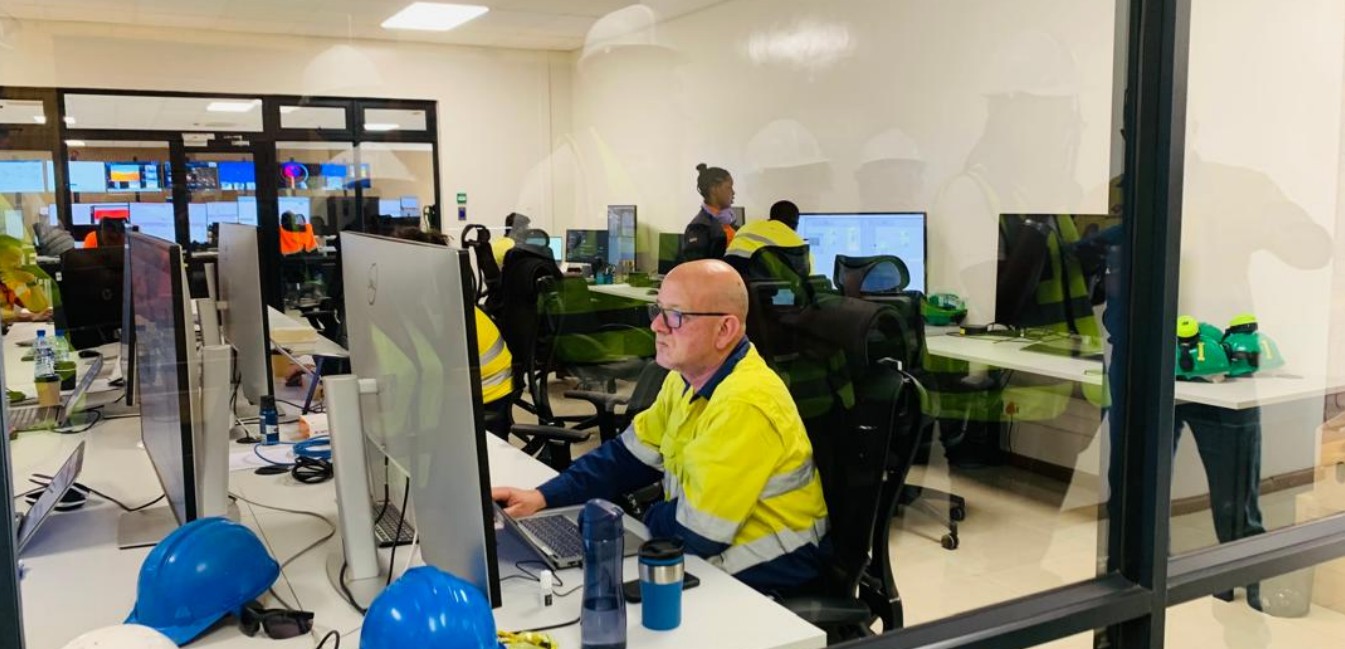
Operators sit at ergonomic desks surrounded by glowing dashboards, bathed in ambient light. The mine, often associated with dust, machinery, and manual oversight, now runs through a nerve centre that looks more like a Silicon Valley think tank than a traditional Zambian mining site.
“It looks like Google headquarters. We want our people to enjoy being here,” says Andrew Nugent, the manager of the facility, gesturing across the high-design workspace.
From Fragmentation to Integration
For decades, mining operations in Zambia—and globally—have struggled with fragmentation.
Dispatch teams in the pits often operated in isolation from processing plants. Engineering insights arrived too late to influence day-to-day production.
Decisions made in one corner of the mine could take hours or even days to ripple across the operation.
The result was inefficiency: bottlenecks slowed production, resources were poorly allocated, and opportunities were missed.
The Operations Center was designed to change all that. By centralizing control and integrating multiple streams of activity into one platform, Kansanshi has created what Nugent calls a “real-time conversation” between every part of the mine.
“Every unit contributes to a final point—extracting copper. By integrating them, the mine communicates directly with the process operation, and vice versa,” Nugent explains.
The effect is a single source of truth: one set of data, one set of dashboards, one system that ensures everyone—from pit operators to plant engineers—is working from the same information.
At the heart of the Operations Center is a network of more than 7,000 instruments and sensors distributed across the mine.
These sensors constantly feed data into central dashboards, giving operators a live view of the mine’s pulse.
They measure equipment vibration, temperature, and flow rates. They track energy consumption in real time. They flag anomalies before they become failures.
The system is not only reactive but predictive. Problems are anticipated before they interrupt production.
Maintenance is scheduled before breakdowns. Energy usage is optimized dynamically.
“This isn’t just about collecting data,” Nugent emphasizes. “It’s about using it to run better, faster, and smarter.”
This level of instrumentation rivals that of the world’s most advanced industrial operations—from aerospace plants to automated manufacturing lines. With Kansanshi’s Operations Center, Zambia’s mining industry has entered the same league.
Training Through Simulation
Technology, however, is only as effective as the people running it. Kansanshi has built training directly into the Operations Center through a proprietary simulator, developed in collaboration with MiPack and refined with lessons from First Quantum’s Cobre Panamá mine.
The simulator allows new recruits and seasoned technicians alike to rehearse complex scenarios—from equipment failures to emergency responses—without putting lives or production at risk.
Operators face digital replicas of real-world challenges and receive instant feedback and coaching. Here, mistakes are not punished—they are welcomed.
“We’re not just training—we’re simulating reality. Mistakes happen here, not in the field,” Nugent says, watching a group of operators run through a drill.
This approach accelerates skills development, giving Zambian technicians the confidence and readiness to manage a highly digital mine environment.
Securing the Digital Frontier
But digitization brings its own vulnerabilities. As industries everywhere become more reliant on connected systems, cybersecurity has become one of the most pressing risks in mining.
Nugent is blunt about the stakes: “People want to get into these systems. They could cause havoc. So having that protective net is super important.”
Kansanshi’s Operations Center is built with multiple layers of defense. USB ports are disabled, access is strictly controlled, and the entire architecture is designed to resist intrusion while maintaining internal flexibility.
For investors, this is more than an IT issue. Cybersecurity is operational insurance, protecting uptime, safeguarding assets, and ensuring compliance in a highly regulated sector.
Local Talent at the Helm
Though international contractors played a role in constructing the facility, the long-term vision is unmistakably local.
Zambian engineers are now being trained to operate, maintain, and even improve the system.
Knowledge transfer is already bearing fruit. “We’re transferring knowledge—and it’s working. Our Zambian team is already running the show,” Nugent says with pride.
This focus on local expertise may turn out to be the most valuable outcome of the project. By equipping Zambian engineers with cutting-edge skills, Kansanshi is building a workforce capable of sustaining innovation well into the future.
Mining Reimagined
The Operations Center is also redefining the culture of mining. Step inside, and the emphasis on people is as clear as the emphasis on machines.
Ergonomic workstations replace hard chairs. Ambient lighting replaces harsh fluorescents. Walls are lined with art, not just schematics.
The space is soundproofed, with the garden-adjacent intentionally designed to inspire focus and creativity.
“It’s a cultural statement,” Nugent says. “Mining can be clean, intelligent, and aspirational.”
The message is clear: Kansanshi wants its workforce not only to be productive, but to feel proud of their environment.
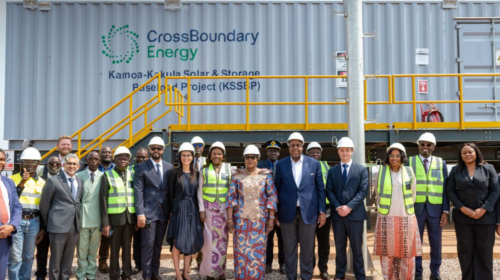
The mine is also looking beyond operations to its environmental footprint. Kansanshi is actively exploring renewable energy, particularly solar and wind—to supplement grid power.
The shift is both environmental and strategic. Renewables reduce costs, mitigate supply risks, and support Zambia’s broader energy stability. They also align the mine with global ESG (environmental, social, and governance) expectations, increasingly important for investors and partners.
“Without innovation, we will die. This is how mining should be,” Nugent says, underscoring the urgency of the transition.
A Blueprint for Africa
For Kansanshi, the Operations Center is more than a command hub—it is a proof of concept. It demonstrates that African mines can lead in digitization, human-centered design, and sustainable practices.
The model is scalable, ready to be adapted to other First Quantum sites and, potentially, across the continent. It challenges outdated perceptions of African mining and positions Zambia not only as resource-rich but also as innovation-ready.
As industries worldwide pivot toward smarter, cleaner, and more resilient operations, the heartbeat of Kansanshi’s mine now pulses from a single room.
The Operations Center is a nerve centre, a cultural statement, and a blueprint all at once. Above all, it is proof that innovation, when grounded locally, can resonate globally.